Cynthia Whitty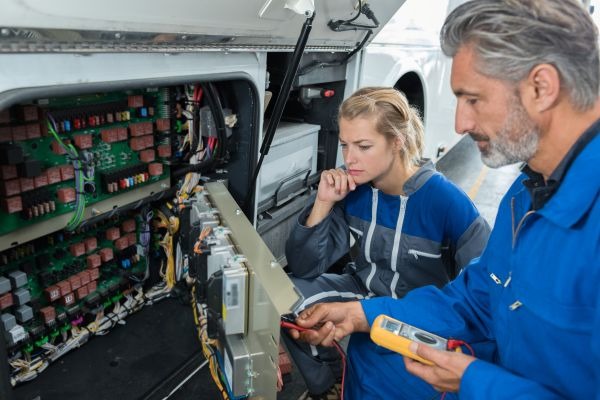
An RV is one of the most complex commercially available vehicles, being made up not only of the standard engine, transmission, and tires, but also appliances, a plumbing system, and an intricate network of electronics that allow it to function as a traveling home. This is what makes your RV far greater than the sum of its parts. It’s more than just a method for traveling from point A to point B; this vehicle represents a type of freedom that cannot be achieved any other way.
With all those different elements making up the whole, though, there is also a lot that can go wrong. Fortunately, most of these issues can be fixed easily if they are addressed before they escalate into something worse. In the following blog post, we’ll list a few of the most commonly required RV repairs, as well as a few practical tips for troubleshooting, so that you know what to expect as you travel and how to prepare for it. We’ll also offer guidance on when to call a professional to ensure your vehicle stays safe and road-ready.
1. Tire Maintenance and Repair
Like most other land-based vehicles, RVs subject their tires to continuous wear and tear from the stresses of the road. The added weight and unusual alignment system, however, mean that RV tires face certain challenges that other motor vehicles do not.
When properly maintained, the tires on a recreational vehicle can last around three to five years on average. Although vehicles that see heavy use may require new tires much sooner. Maximizing the life expectancy of these tires is a matter of ensuring the wear they are subjected to is consistent, which is why periodic tire rotation is highly recommended. However, since there are many variables that can cause one tire to wear out faster than the others, you’ll want to inspect your tires regularly and watch for any issues.
If you notice the treads are becoming shallower on one tire (indicated by the wear bars on the tire) or on one specific side of the vehicle, this can reveal one of several potential problems with a vehicle. It’s important to repair these issues in a timely manner in order to avoid resulting damage.
For example, a poorly aligned axle can cause one tire to bear greater weight than the others and wear at a faster rate. A professional who can perform wheel alignment services and who specializes in RV repairs, such as Albany RV in Oregon, should be contacted to calibrate and realign your vehicle.
2. Brake Maintenance and Repair
As another critical element of your RV, the brakes should be inspected and maintained regularly to ensure safety in the vehicle. A complex and intricate system, the brakes are composed of multiple elements that can weaken over time due to regular wear and tear. Each one of these elements—the brake pads, the calipers, and the rotors—should receive a tune-up at least once a year, or every 10,000 miles, whichever comes first. If they are showing any signs of wear, these elements should be replaced entirely.
Regular preventative maintenance is only part of brake care in an RV. Drivers must also be diligent about catching any issues as they come up. A failure of the brake system can create a major hazard for the vehicle, its passengers, and other drivers on the road.
If the brakes seem sluggish or unresponsive when you apply pressure to the pedal, this could be a sign that you need to swap out the brake pads. Grinding sounds or excessive vibration during braking may also be a sign that one or more elements of the system are not functioning properly, as can a vehicle that is failing to brake in a straight line.
If you detect any of the issues listed above, check the brake pads first to determine whether they are worn down. If you are comfortable swapping out brake pads yourself, you can do so as part of the troubleshooting process. Otherwise, contact a trusted RV repair professional.
3. Faulty Electrical Component Repair
An RV contains more electrical connections than most other vehicles since it requires electricity not only for driving, but to power indoor lights and appliances, such as the microwave and stove. A single blown fuse or faulty circuit can cause all appliances to fail or prevent the vehicle’s engine from turning over and starting. That’s why electrical issues are among the most common RV repairs that face.
The RV’s built-in safety systems are designed to prevent minor issues from escalating into major hazards, meaning that they may shut the whole system down to prevent problems from escalating. If you enter your vehicle only to discover that none of your indoor appliances will switch on, it’s possible that a power surge has caused the ground fault circuit interrupter (GFCI) to cut electricity to the whole system. If this happens, troubleshoot by unplugging all the appliances connected to each outlet, and then locate the button labeled “reset” on one of these outlets.
Pushing that button should cause it to click. You can then plug each appliance back in one by one and test it out. As you do so, take note if the system shuts off again: It’s possible that one appliance is drawing too much power and overloading the system.
If you are unable to fix the problem this way, it’s time to get a professional to help you out. Electrical issues have the potential to be dangerous and should be repaired by a service technician.
4. Plumbing Repair
Unlike the issues listed above, a plumbing issue is rarely a major safety hazard. However, it can prevent the RV from operating properly and can create quality-of-life issues. RV travel isn’t quite the same if you don’t have running water and a working toilet. Leaking water can also create major water damage, necessitating expensive repairs.
Common plumbing issues in an RV include leaking pipes. If you notice signs of water damage in an area, it may be due to a leaking water line. Shut off the water and inspect the pipes to locate the issue. Small leaks may be able to be temporarily repaired with epoxy putty, while larger ones may necessitate the replacement of the entire pipe immediately.
The issues discussed above are some of the most common RV repairs you might encounter during regular travel. To mitigate these and others, regular maintenance is a must for serious RV drivers. Bring your RV in for inspections and preventative care at least once every year to avoid or address the issues listed above.
About Author